
June 20, 2019, marked a data point in clinical discussions regarding how much we can actually expect from a pill. According to the Dietary Supplements for Weight Loss Fact Sheet, caffeine-based products might help you lose a little weight or gain less weight over time, but the reality is often far more nuanced than the marketing suggests.
We see it every day on social media. A person holds a bottle, smiles, and promises a transformation. But biology doesn’t work on promises; it works on metabolic pathways, hormonal signals, and enzymatic reactions. We want to look past the colorful labels and understand what is actually happening inside the mitochondria and the gut.
If we strip away the hype, the “magic” usually boils down to three distinct physiological targets. Most supplements aim to either change how we burn energy, change how we absorb fuel, or change how we feel hunger. It is a mechanical attempt to tilt the scale in our favor by interfering with the body’s natural homeostasis.
The science is rarely as clean as the packaging. While some ingredients show genuine movement in a lab setting, the leap from a petri dish to a human body is a massive, often unpredictable canyon. We need to understand the actual mechanisms before we start adding more variables to our daily routine.
The Metabolism and Energy Expenditure Angle
The most common way people try to “speed up” their weight loss is by targeting thermogenesis. This is the process by which your body burns calories to produce heat. When a supplement claims to “boost metabolism,” it is usually trying to increase your resting metabolic rate (RMR). This means your body burns more fuel even when you are sitting still.
Caffeine is the heavy hitter in this category. It acts as an adenosine antagonist. In plain English, it blocks the chemicals in your brain that tell you that you are tired. This doesn’t just wake you up; it triggers the release of adrenaline, which signals your fat cells to break down stored fats into free fatty acids to be used for energy.
Then there is the concept of lipolysis. Some ingredients aim to increase the concentration of circulating fatty acids in the blood. If you have more fat acids floating around, your body has a more immediate source of fuel, which can potentially prevent it from wanting to store more fat from your last meal. It’s a delicate, often temporary, chemical tug-of-war.
However, there is a limit to this strategy. The body is incredibly good at maintaining balance. If you use a stimulant to drive up your energy expenditure, your body might compensate by making you feel hungrier or by slowing down other non-essential processes. It is a constant negotiation between the supplement and your internal regulatory systems.
Consider a person named Marcus. He started taking a high-dose green tea extract supplement to boost his workout sessions. At first, he felt a noticeable surge in alertness and a slight uptick in body temperature. But after three weeks, his body adapted. He needed more caffeine to feel the same effect, and his resting heart rate stayed slightly elevated, making him feel jittery rather than energized.
The Gut and Nutrient Absorption Blockade
Another major mechanism involves the digestive tract. Instead of trying to burn more fuel, these supplements try to stop the fuel from ever being absorbed. This is a strategy aimed at reducing the caloric density of the food you eat. If your body cannot process the fat or the carbohydrates, those calories might simply pass through you.
One way this happens is through the inhibition of specific enzymes. For example, some substances aim to block lipase, the enzyme responsible for breaking down fats in the small intestine. If lipase is blocked, the fats remain in a complex form that the body cannot easily absorb. You’ve consumed the fat, but your bloodstream hasn’t “seen” it yet.
Other ingredients target carbohydrate absorption. They might interfere with the enzymes that break down complex sugars into glucose. This can result in a flatter glucose spike after a meal. A flatter curve is generally better for insulin management, and since insulin is a primary fat-storage hormone, keeping it low is a common goal for weight management.
Does this approach actually work long-term, or is it just a temporary fix for a bad diet? This is the question that haunts many of these products. Relying on absorption blockers can sometimes lead to digestive distress. If the nutrients aren’t being absorbed where they should be, they end up in the large intestine, which can cause bloating and other issues.
When looking at these options, it is helpful to see how they compare in their primary intent:
| Mechanism Type | Primary Target | Potential Side Effect |
| Thermogenic | Energy Expenditure | Increased heart rate, insomnia |
| Absorption Inhibitor | Digestive Enzymes | Digestive upset, nutrient deficiency |
| Appetite Suppressant | Hunger Hormones | Nausea, mood swings |
It’s a high-stakes game. If you block fat absorption too effectively, you might inadvertently block the absorption of fat-soluble vitamins like A, D, E, and K. This is why many people who use Weight loss support Himberger Apotheke or similar clinical advice emphasize the importance of nutrient density even when using supplements.
The Hunger Signal and Appetite Suppression
The most difficult hurdle in any weight loss journey is hunger. It is a biological imperative. You can try to outsmart your brain, but your brain is very good at its job. Appetite-suppressing supplements usually try to intervene in the signaling pathway between your gut and your brain.
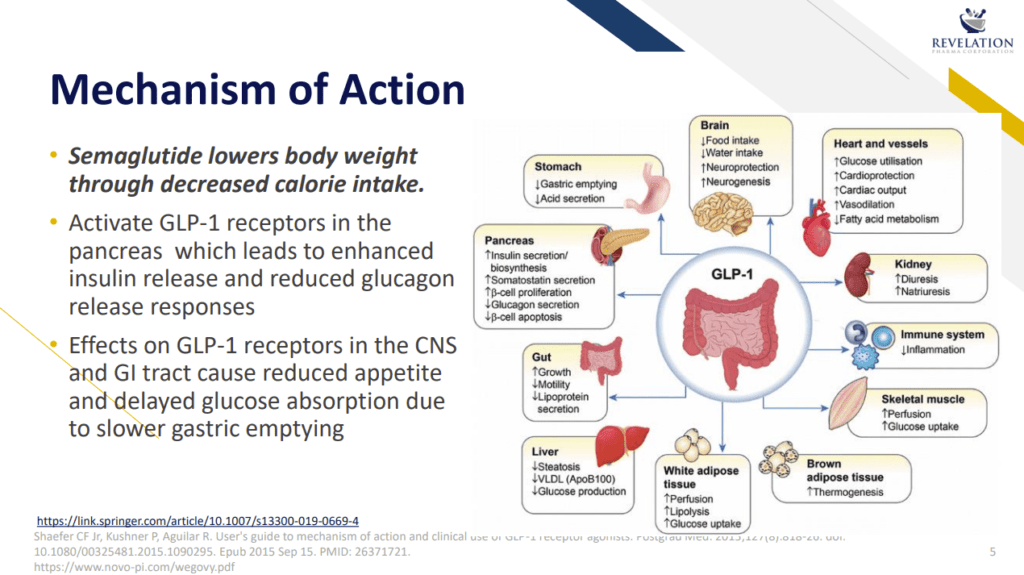
One method is through the modulation of satiety hormones. When you eat, your gut releases hormones like ghrelin (the “hunger hormone”) and GLP-1 (the “satiety hormone”). Some supplements aim to mimic these signals or extend their presence in the bloodstream. If your brain thinks you have already eaten a large meal, it won’t trigger the urge to seek more food.
Another approach is fiber-based. Insoluble and soluble fibers can swell in the stomach, creating a physical sensation of fullness. This is a mechanical rather than a hormonal approach. It’s about using volume to trick the stretch receptors in your stomach into sending “I’m full” signals to the hypothalamus.
Then there are the neurological approaches. Some ingredients attempt to influence neurotransmitters like serotonin or dopamine. By modulating these chemicals, supplements can theoretically reduce “hedonic hunger”—the craving for highly palatable, calorie-dense foods like sugar or fried snacks. This is less about needing calories and more about the psychological urge to eat.
The effectiveness of these methods is often modest at best. As noted in various studies, supplements influence specific physiological processes, such as digestion, energy expenditure, or hunger signals, but the effects are typically small. They are not a replacement for a caloric deficit; they are more like a gentle nudge in a specific direction.
We have to ask ourselves: if a pill could truly turn off hunger, why wouldn’t everyone be using it? The answer lies in the body’s incredible ability to fight back. Homeostasis is a powerful force that wants to keep you exactly where you are.
The Modesty of Physiological Shifts
When we look at the broad picture, the most important takeaway is the scale of impact. We often hear about “miracle” pills, but the biological reality is much more conservative. Most supplements are designed to assist, not to drive, the process. They are secondary tools that work on a very small percentage of your total metabolic output.
It is important to distinguish between lifestyle-driven weight loss and supplement-driven weight loss. For instance, the most commonly adapted supplements promote to control appetite and reduce absorption of particular nutrients, which can lead to weight reduction by making the deficit easier to maintain. However, they are not creating weight loss out of thin air.
There is also the issue of timing and consistency. Some ingredients have a very short half-life. This means they might provide a burst of energy or a temporary suppression of appetite, but that effect fades quickly. This leads to a “rebound” effect where hunger or cravings return with even more intensity once the supplement wears off.
We should also consider the cumulative effect of these interventions. Using a thermogenic in the morning, a fiber supplement in the afternoon, and a satiety aid in the evening creates a complex chemical environment in the body. The interaction between these substances and your specific genetics is something science is still trying to map out.
The mechanism of action in weight loss supplements is a series of attempts to influence the body’s internal math. Whether it’s trying to increase the “calories out” side through thermogenesis or decrease the “calories in” side through appetite control or malabsorption, the math remains the same. The supplements are just trying to tilt the equation by a few percentage points.
The future of these mechanisms likely lies in precision medicine, where we move away from “one-size-fits-all” pills toward targeted molecular interventions tailored to an individual’s specific hormonal profile.
FAQ
How long does it take for weight loss pills to kick in?
The timeline varies by ingredient, but most supplements require consistent daily use for 4 to 12 weeks to show measurable results.
How does GLP-1 work?
GLP-1 agonists mimic a natural hormone that stimulates insulin secretion, slows gastric emptying, and signals the brain to increase satiety.
What is the mechanism of action of Zepbound?
Zepbound is a dual agonist that targets both GLP-1 and GIP receptors to regulate appetite and glucose metabolism.
How to psychologically lose weight?
Effective psychological strategies include cognitive behavioral therapy (CBT) techniques to address emotional eating and establishing mindful eating habits.
Do weight loss supplements actually work?
Supplements may support weight loss by slightly increasing metabolic rate or suppressing appetite, but they are most effective when paired with caloric restriction.
